


The Importance of Latin for Homeschoolers
By Alexis Carrico creator of JAM with Latin
When I first started homeschooling, I wanted to give my kids a strong foundation in language and history. Latin quickly became a favorite subject in our home! It’s not just an old language from dusty books. Latin opens doors to understanding English better, learning other languages, and diving into history and culture. If you’re thinking about adding Latin to your homeschool, I’m here to share why it’s such a great choice.
Why Latin for Homeschoolers?
Latin is a fantastic language for homeschoolers because it builds skills that go beyond just speaking or reading. It strengthens vocabulary, grammar, and critical thinking. Plus, it’s a language that connects to so many subjects like science, law, and literature. When my kids learned Latin, they noticed their English vocabulary improved, especially with tricky words. This happens because many English words come from Latin roots!
Another reason I love Latin for homeschoolers is that it’s a language that doesn’t change. Unlike modern languages, Latin is “dead,” meaning it’s no longer spoken conversationally. This makes it easier to learn because the rules stay the same. You won’t have to worry about slang or new words popping up all the time.
If you want to explore resources, check out Latin for homeschoolers us for helpful guides and materials designed just for families like ours.
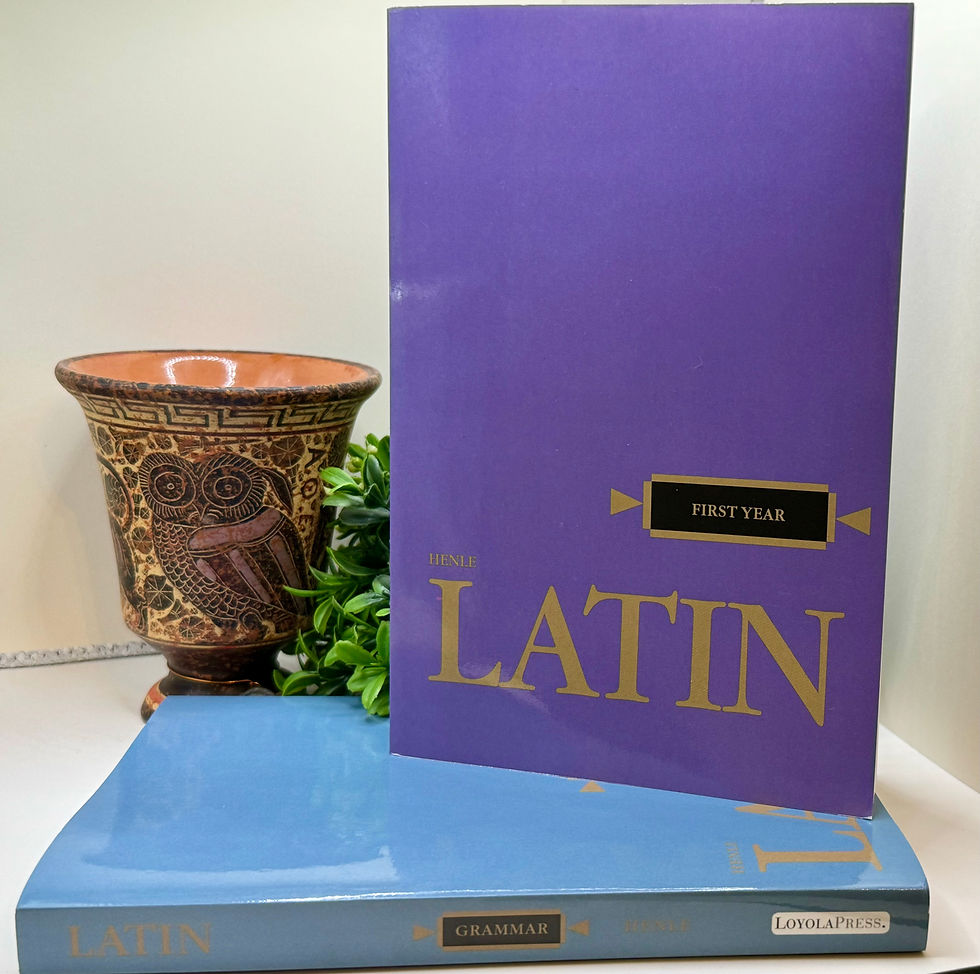
How Latin Helps with Other Subjects
One of the coolest things about learning Latin is how it helps with other subjects. For example, in science, many terms come from Latin. When my kids studied biology, they found it easier to understand scientific names and terms because of their Latin lessons. It’s like having a secret code to unlock complex words!
Latin also supports learning other languages. If your child wants to learn Spanish, French, or Italian later, Latin gives them a huge head start. These languages share many roots and grammar rules with Latin. My kids found that once they knew Latin, picking up a Romance language was much faster and more fun.
History and literature come alive with Latin too. Reading original texts or translations of Roman stories helps students connect with the past. It’s exciting to see how ancient ideas still influence our world today.

Making Latin Fun and Engaging
I know Latin might sound intimidating at first. But it doesn’t have to be! There are so many ways to make Latin fun for homeschoolers. We used games, songs, and stories to keep things lively. For example, we played vocabulary bingo and make flashcards with colorful pictures. This helped my kids remember words without feeling overwhelmed.
Another great tip is to use Latin in everyday life. We labeled items around the house with their Latin names. Saying “aqua” instead of water or “liber” for book made learning feel natural and playful. You can also watch cartoons or listen to songs in Latin to add variety.
If you want to build a supportive community, look for online groups or local homeschool co-ops that focus on Latin. Sharing experiences and resources makes the journey more enjoyable and less lonely.
Practical Tips for Teaching Latin at Home
Starting Latin at home can feel tricky, but it’s easier than you think! Here are some tips that worked well for us:
Start with the basics - Focus on simple vocabulary and common phrases first.
Use a good curriculum - Choose one designed for homeschoolers that includes plenty of practice and review.
Set a regular schedule - daily lessons work better than long, infrequent ones.
Incorporate different learning styles - Use visual aids, audio recordings, and hands-on activities.
Celebrate progress - Praise your child’s efforts and milestones to keep motivation high.
Remember, consistency is key. Even 15 minutes a day can make a big difference over time.
Why I Recommend Latin for Every Homeschool Family
Latin has been a game-changer for us. It’s not just about learning a language; it’s about building confidence, curiosity, and a love for learning. My kids have gained skills that help them in school and beyond. Plus, Latin connects us to a rich cultural heritage that’s truly inspiring.
If you want to give your homeschooler a unique advantage, I highly recommend adding Latin to your curriculum. It’s a subject that challenges and rewards in equal measure. And with resources like JAM with Latin for homeschoolers, you’re never alone on this journey.
Give Latin a try - you might just find it’s the best decision you make for your homeschool!
Thanks for reading! I hope this post inspires you to explore Latin with your family. Happy homeschooling!


Comments